
You Didn't Buy the Wrong Gift. You Bought One of It.
Five reasons the people buying PaperFlight almost never buy a single kit — and why the second one isn't an upsell, it's the difference between a toy that works and a toy that starts a fight.
The Gift Didn't Fail. There Was Just One of It and Two of Them.
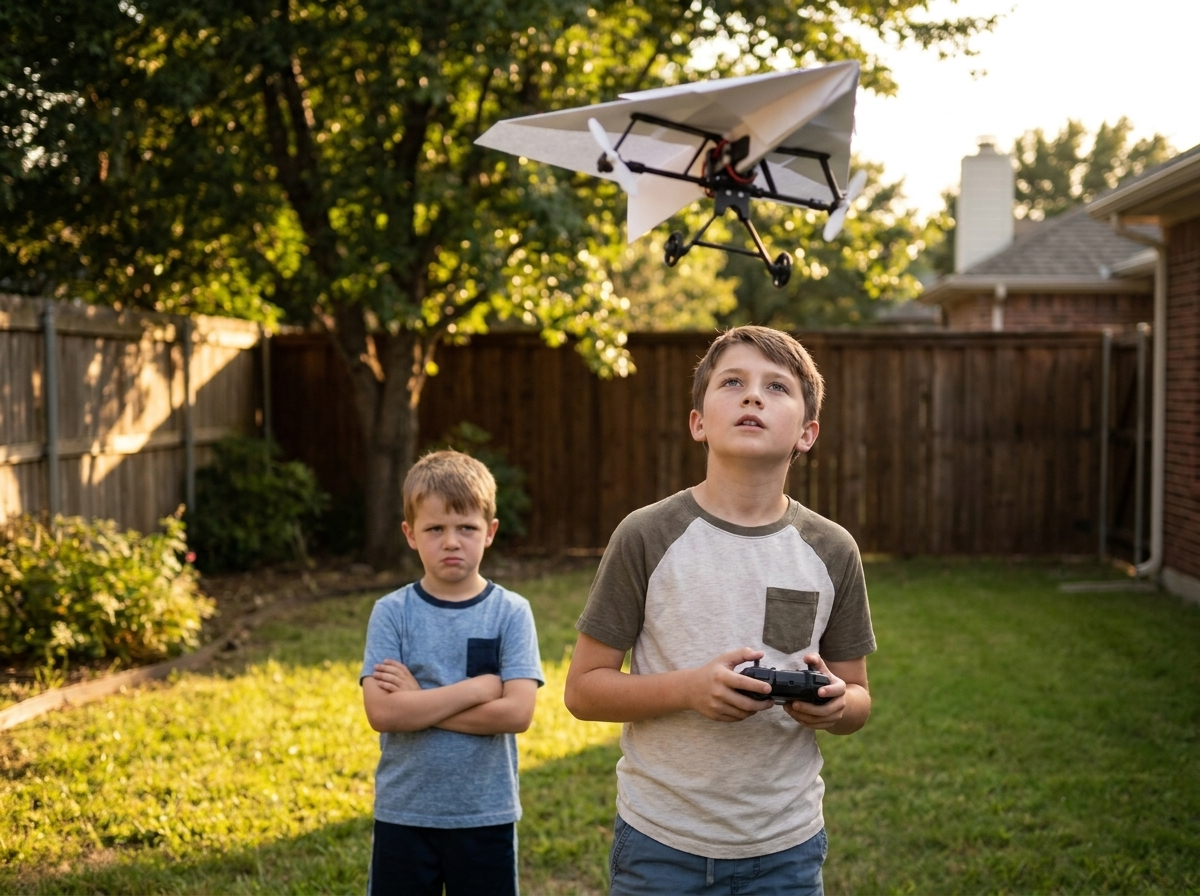
You've watched this happen. The good one gets opened, and inside four minutes there's one kid holding the controller and one kid standing two feet behind him with his arms folded. You say share. They share for about ninety seconds. Then it's a negotiation, then it's a fight, then the toy is the reason the afternoon went sideways and it quietly goes on a shelf.
That gets written down as “they got bored of it.” They didn't. One of them never got to play with it. Half of the play time was spent waiting, and nobody keeps loving a toy they spend half their time waiting for.
It's the one gift-buying mistake nobody counts as a mistake, because the box only ever shows one kid. Look at the second kid in the room before you look at the product.
Each Kit Is Its Own Everything. Nothing Gets Shared, So Nothing Gets Negotiated.
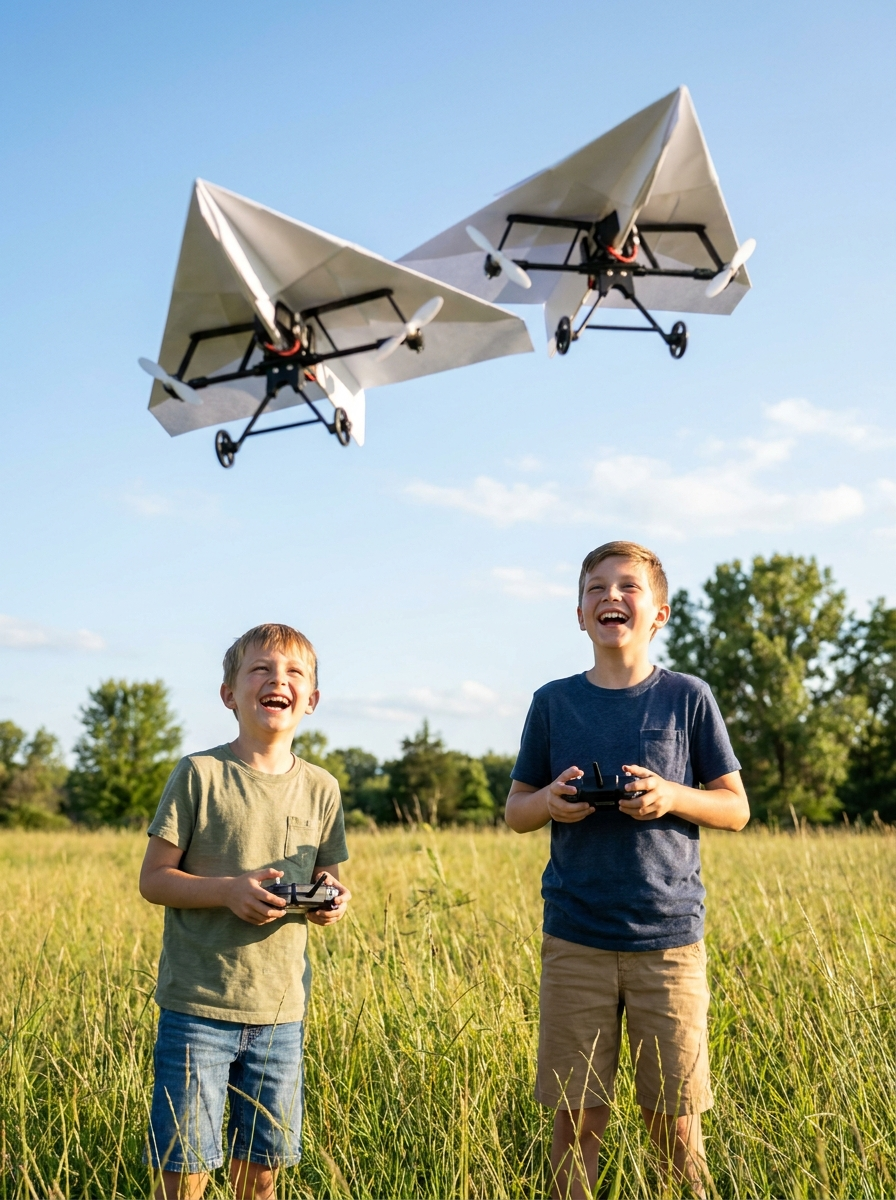
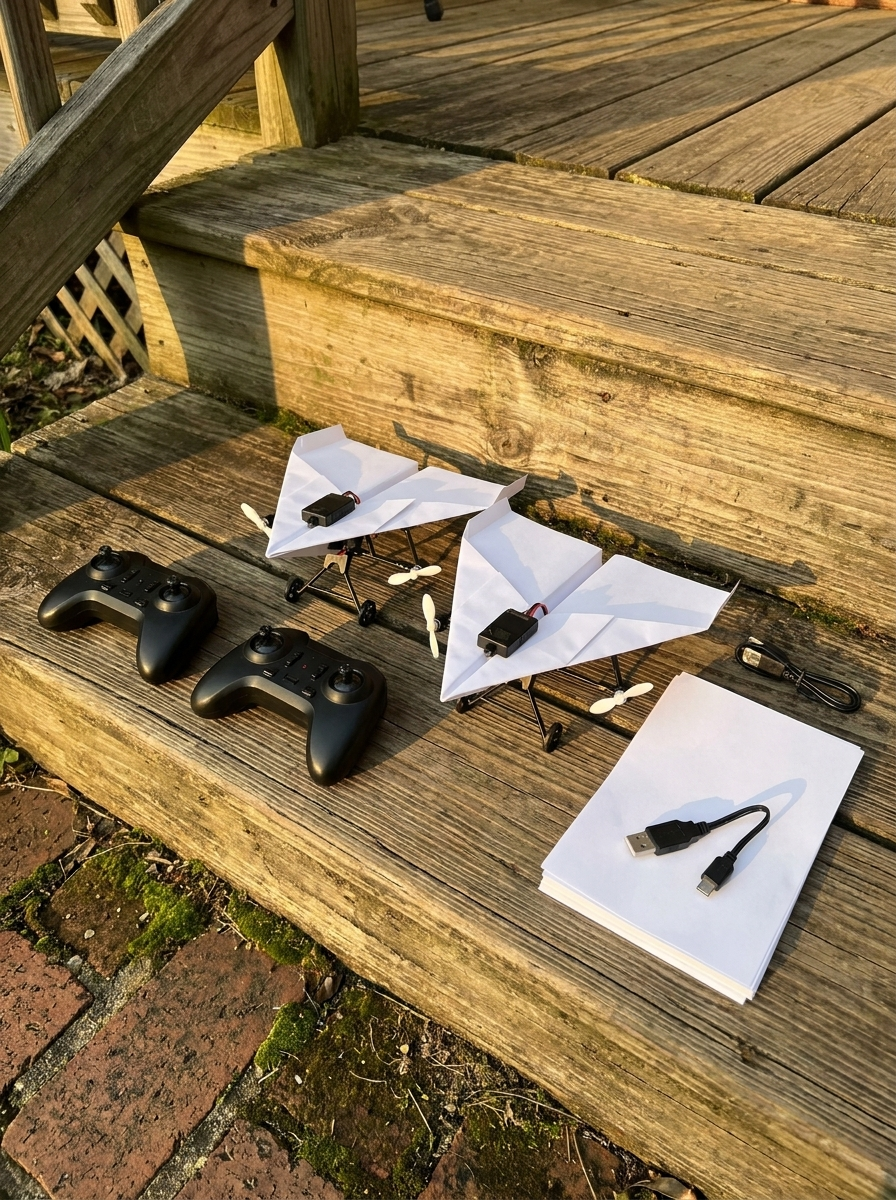
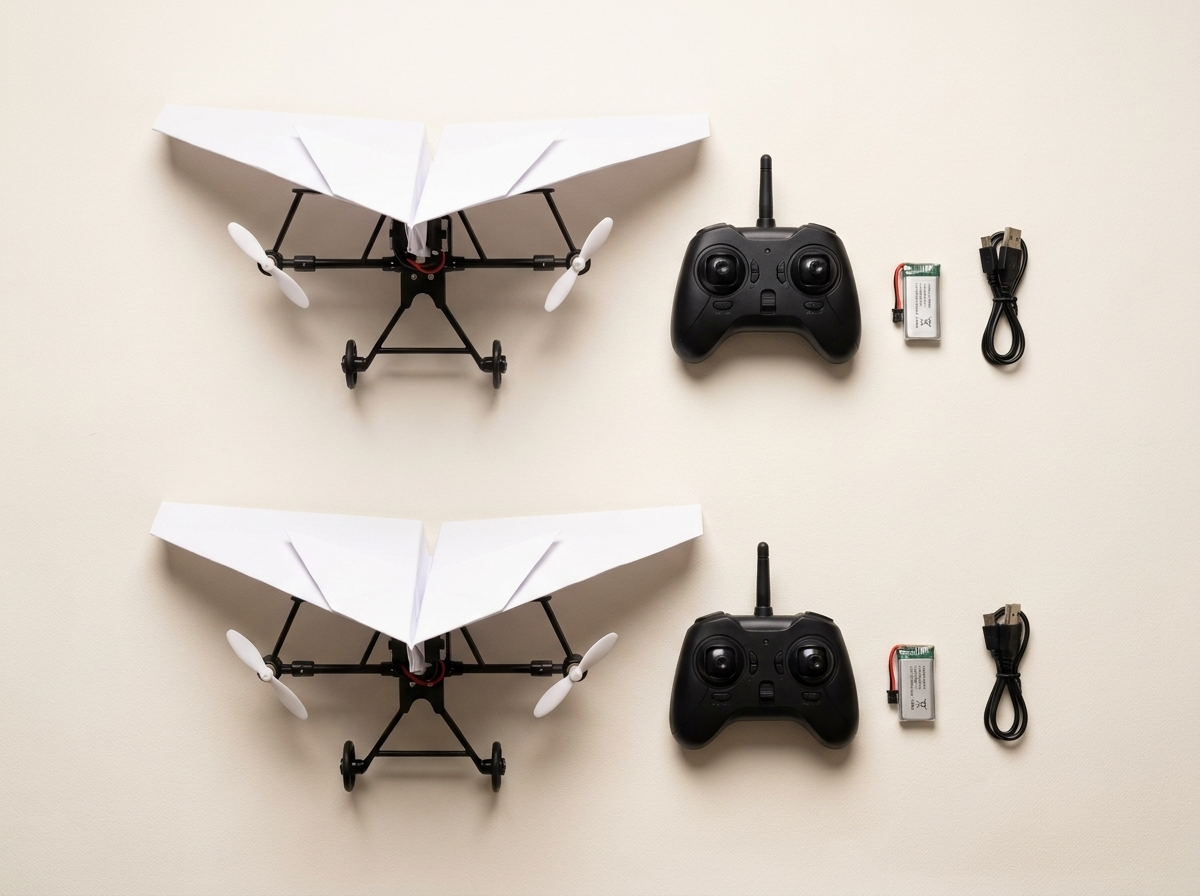
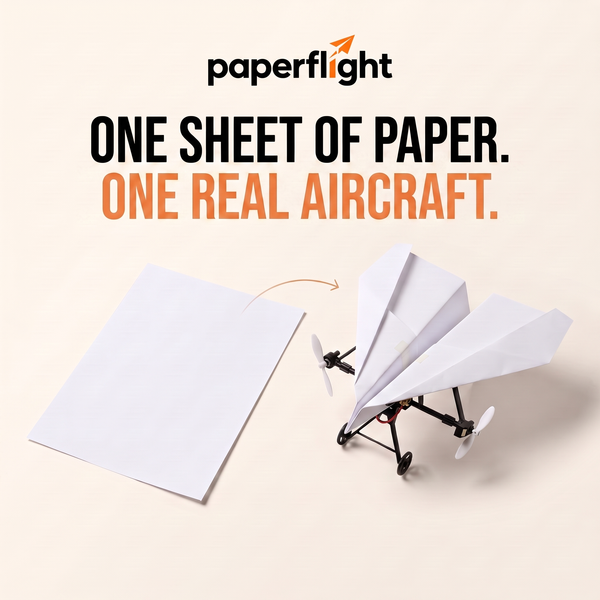
This is the part worth understanding before you pick a quantity, because it's not true of most multi-packs. A second kit isn't a spare plane — it's a second everything. Its own twin-prop module, its own two-stick remote, its own rechargeable battery and cable, its own landing gear. Two kids in the air at the same time, on separate controls, with nothing to hand back and forth.
The flying itself is simple enough that a second kid isn't a second lesson. A crossbar across the nose carries a prop at each end, both pulling forward; to turn, the module spins one faster than the other. No rudder, no elevator, no servo, nothing on the tail to snap. An onboard gyro helps hold the wings level between inputs. Throttle on the left stick, steering on the right — no app, no pairing, no phone.
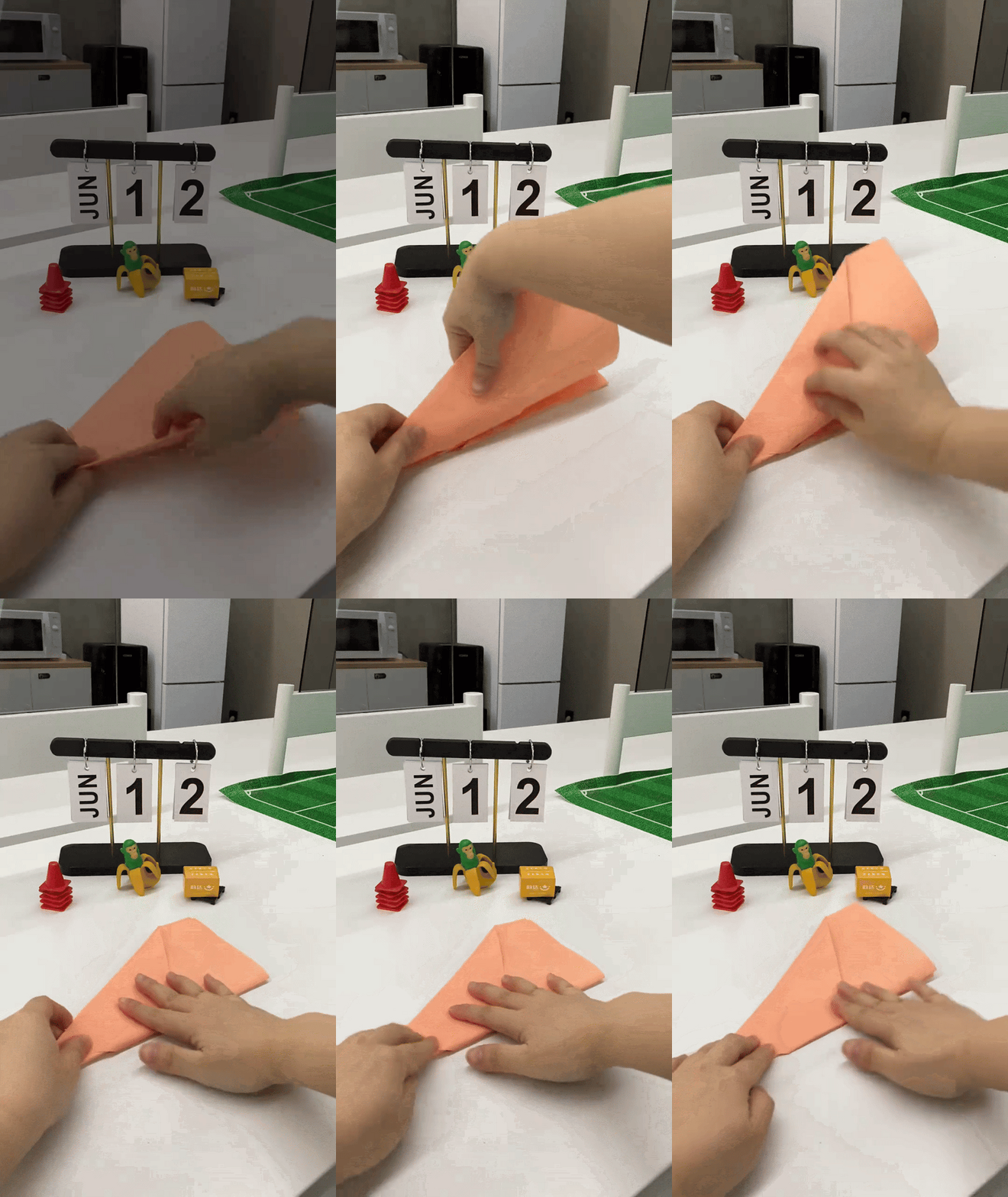
And the planes are printer paper, so each kid folds his own, which means each kid also has his own design to argue about. That turns out to matter more than you'd think.
Be Honest About Who the Second One Is For. It's Usually You.
Here's what happens the first afternoon. He folds one, you clip the module on, he takes the sticks, and you stand there with your hands in your pockets watching a paper airplane you folded climb over the yard. Give it ten minutes. You're going to want a turn, and you're going to feel ridiculous asking a nine-year-old for it.
That's why the second kit gets bought so often by people who only have one kid. Not as a spare. As yours — and at half price it costs less than the one you bought for him. It's the first flying thing in years where you can hand a child the controls and mean it, because the worst thing that happens is a crumpled sheet of paper — so there's no reason for either of you to hover.
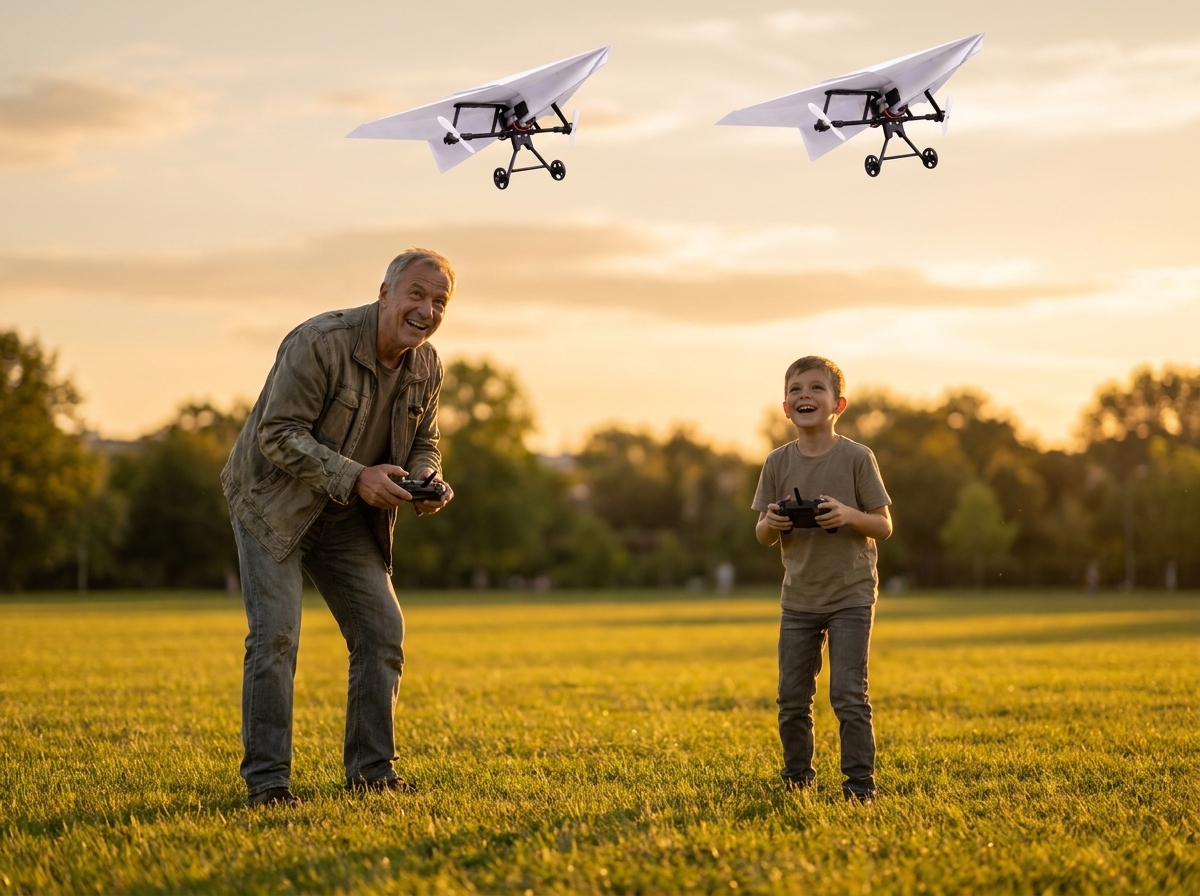
Grandparents work this out fastest. Two remotes on a lawn turns a gift you watched into an afternoon you were in.
Five Kids, One Ream of Paper. The Fleet Costs Nothing to Keep Flying.
The usual problem with buying three of anything is that you've just tripled your running costs. Three sets of batteries. Three lots of replacement props. Three things to reorder when one breaks and one kid is now out of the game.
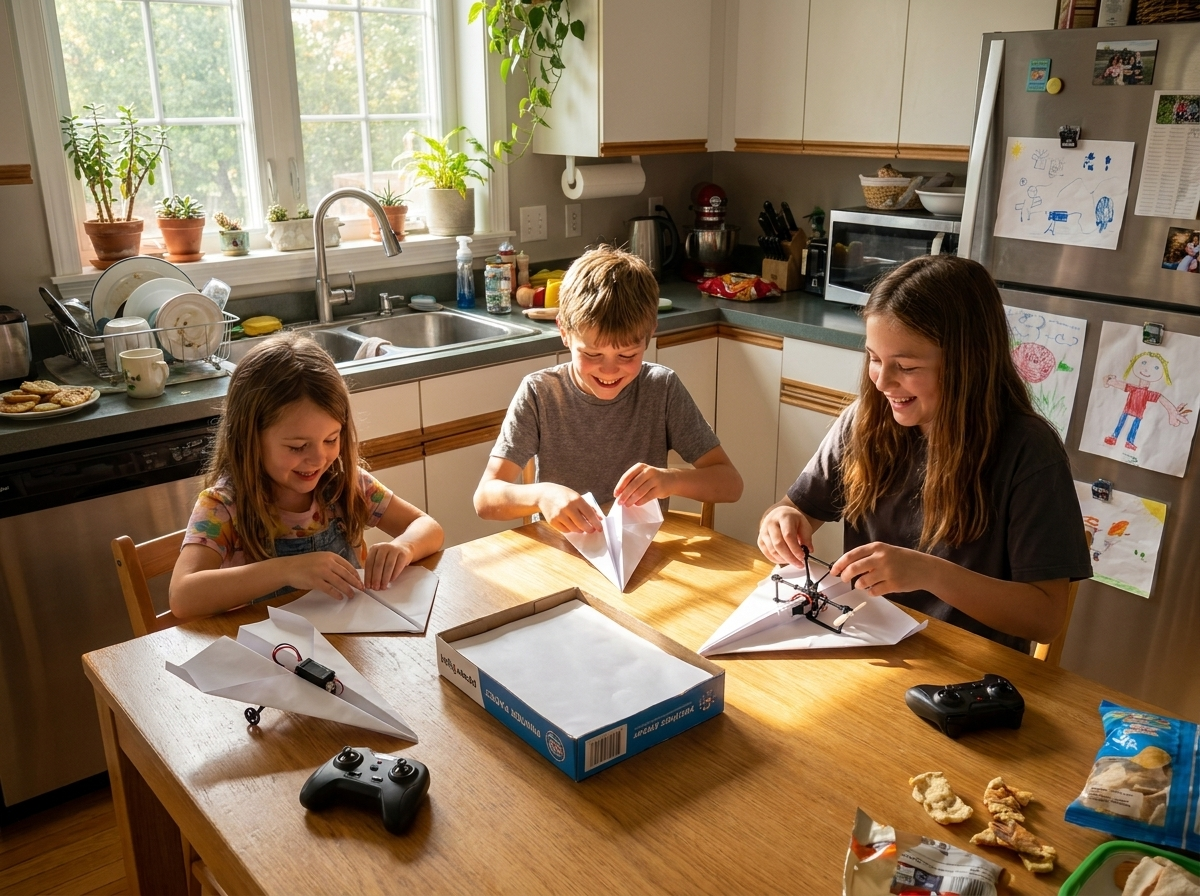
Not here. The airframe is a sheet of printer paper, and one ream is about 500 of them. Five kids, all crashing constantly, all folding new ones, all flying off the same open ream on the kitchen table. There's nothing to run out of and nothing to wait for in the post.
It also changes what they do with it. When each kid has his own plane and his own remote, they stop taking turns and start competing — longer noses, wider wings, bent-up tips, numbers penciled on the wings so they can tell you which one flew best. That's the part that keeps going in week three, and it only happens when nobody is waiting for a controller.
The Second Kit Is Half Price. The Sixth One Is Free.
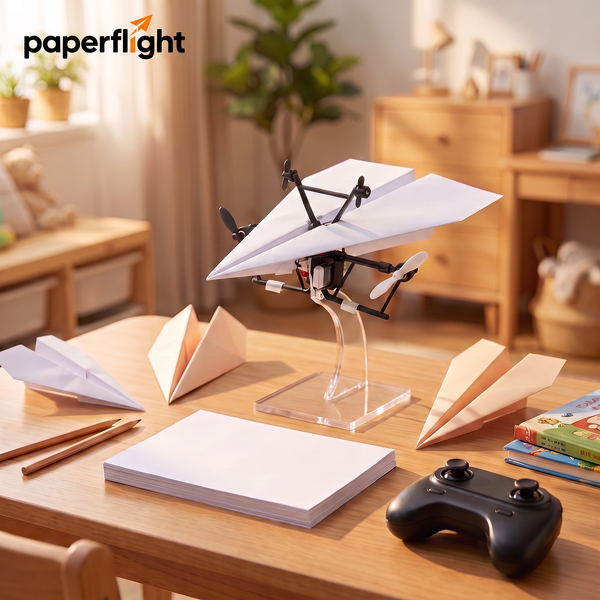
One kit is $44.95 in the Fall Sale, down from $80.00. That's the twin-prop module, the two-stick remote, a rechargeable battery, USB charging cable, detachable landing gear with wheels, a small screwdriver, a display stand and the manual. The airframe is a sheet from your printer.
Then the ladder does something worth doing the arithmetic on. Two kits are $64.95 — the second one is half price, so you're paying $32.48 each. Five kits are $109.95 and a sixth kit comes free, which works out to $18.33 a kit. The second pilot costs less than the first one did. The sixth costs nothing at all.
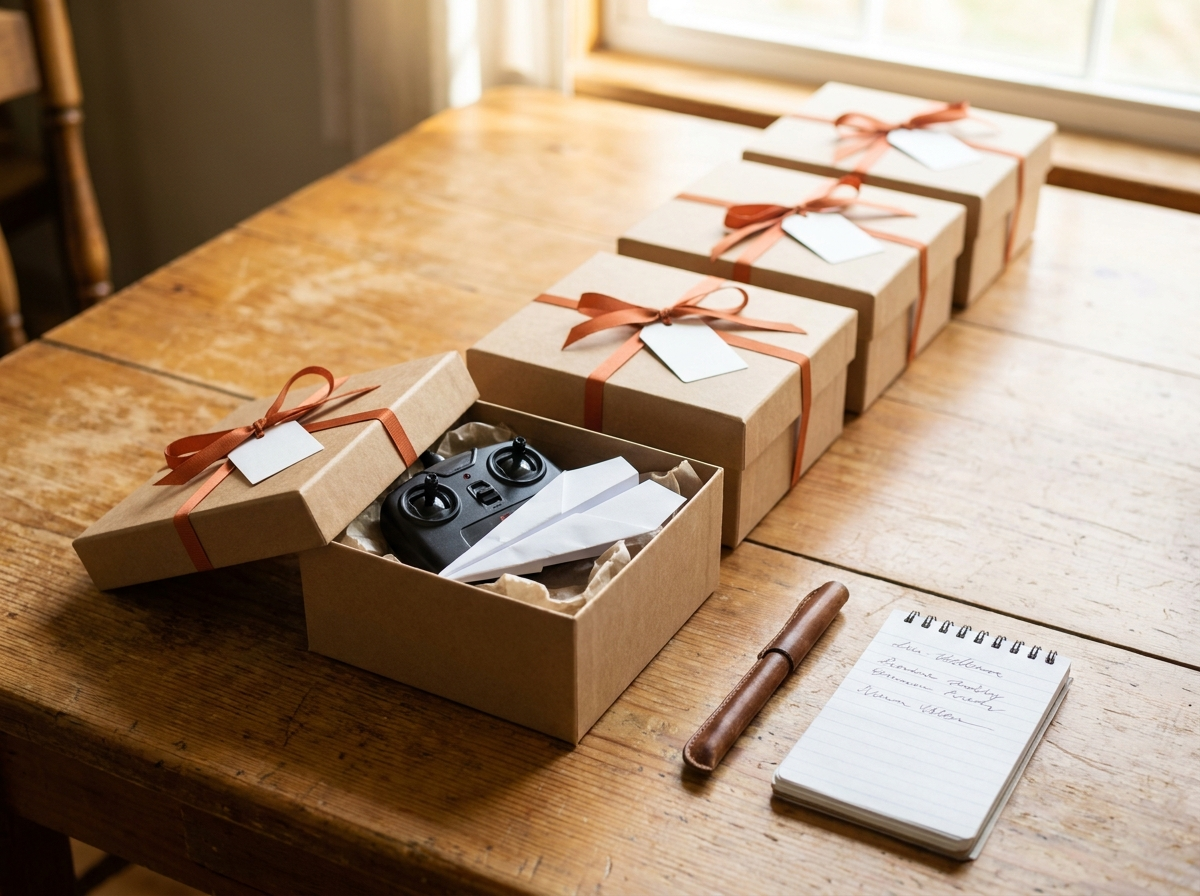
Most people do their Christmas shopping twice: once in September when they're organised, and again in December when they realise they missed someone. Count the kids on your list right now and order that many. They sit in the closet until you need them, and you don't do the second round.
The honest limits, because you'll find them anyway: it's a toy module, not hobby-grade gear. It needs open space. It won't fly in real wind. The battery is short, so charge it while he folds the next one. The props are the one part that isn't paper. And it wrecks planes constantly, which is the entire point.
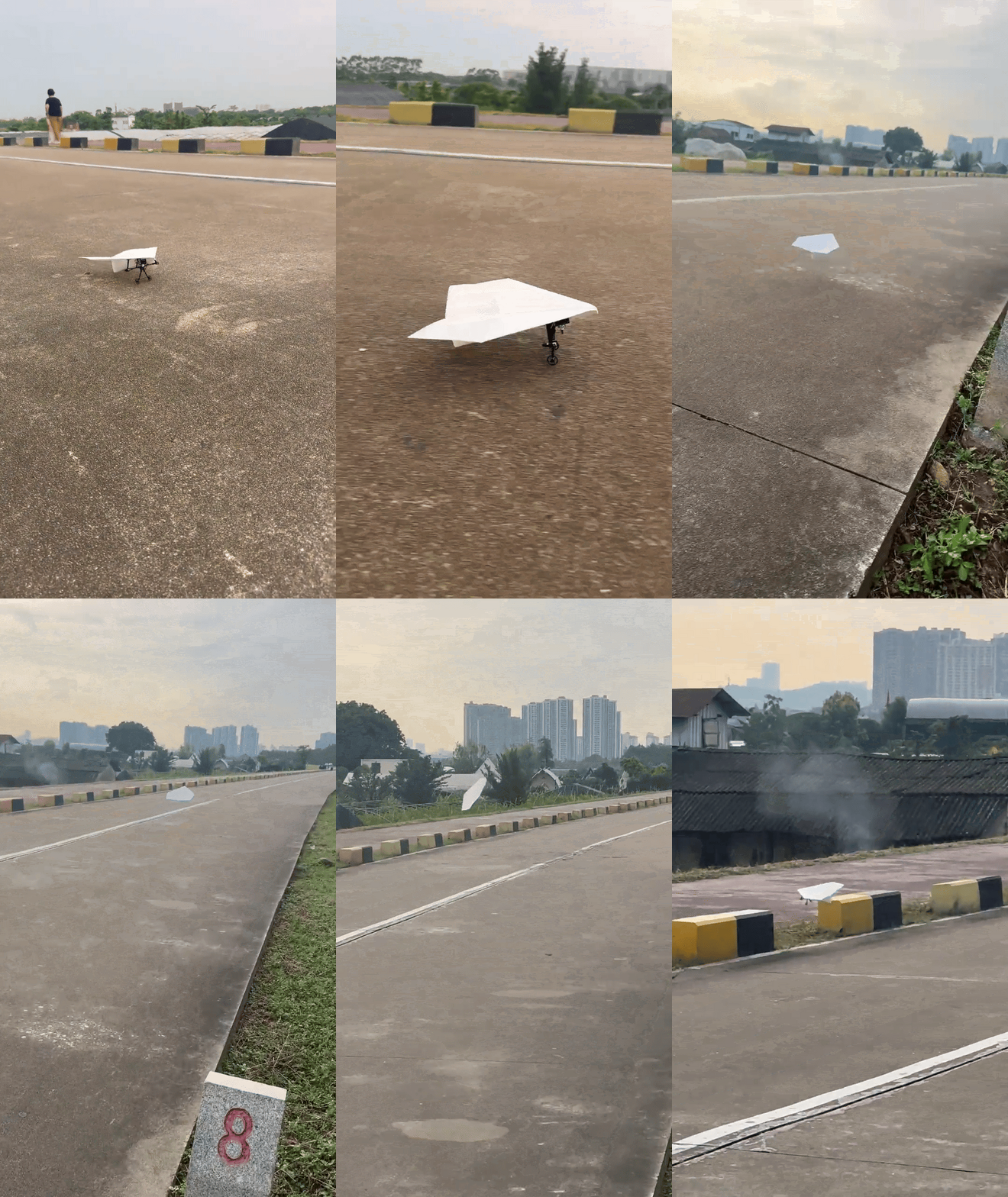
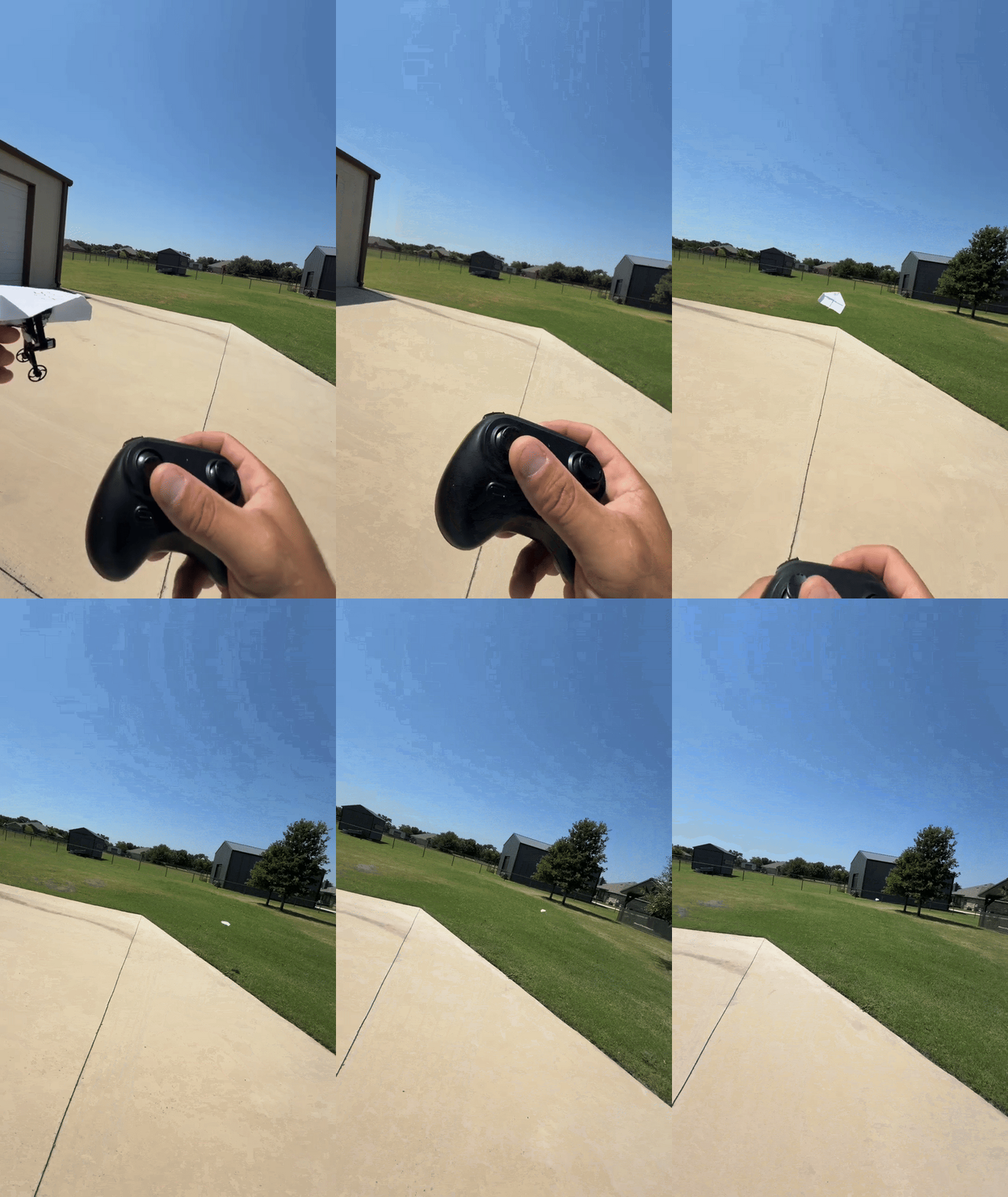
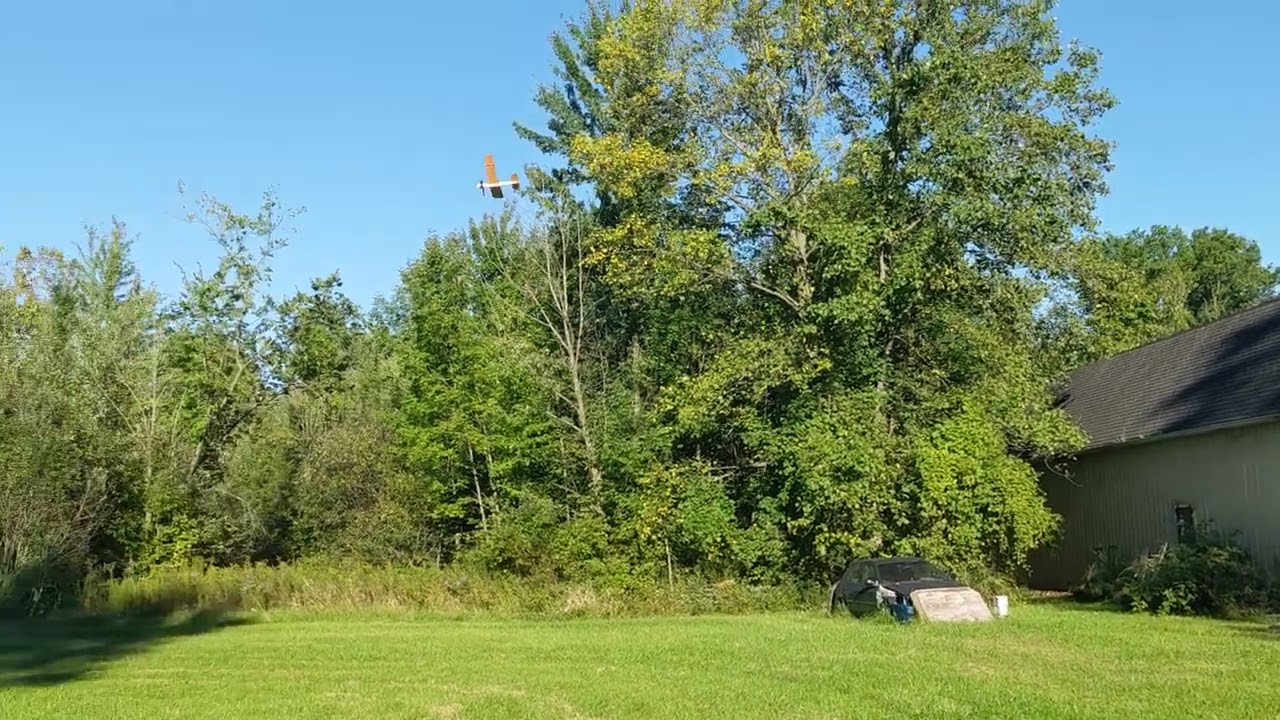
Unboxing, the fold, the module clipping on, and the first flights — crashes included. Nothing here was shot by us.
 Customer Video
Watch the crashes. That's the part that matters — the plane crumples, the module doesn't, and the next one is a sheet of paper away.
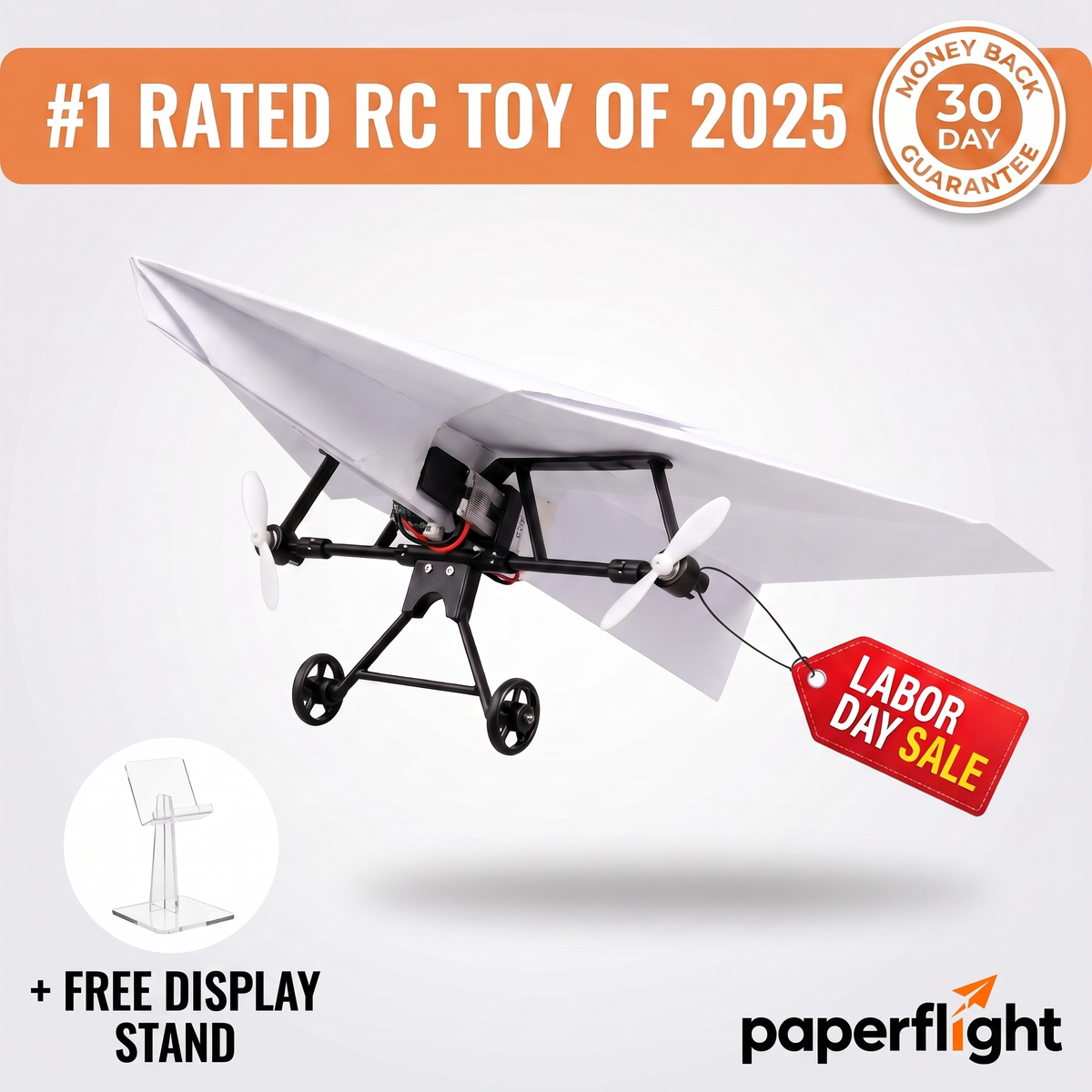
A twin-propeller power module with a gyro that clips under the nose of any paper plane a kid folds — flown with a real two-stick remote. No rudder, no servos, no app. Every kit is complete on its own, so two kits means two pilots.
Why the ladder is shaped like that. Because one kit and two kids is the single most common reason this gift fails, and we'd rather sell you the second one at half price than have you find out in January. Every kit that ships now is also one we're not racing to deliver in the December crush — when the holiday rush starts, the sale price goes back up.
One kit $44.95. Two for $64.95 — the second one is half price. Five for $109.95 and the sixth is free. Free shipping on the whole order and 30 days to change your mind. Count the kids. Order that many. Nobody waits.
Get PaperFlight — Pick Your Number →